
Competitor Gap Analysis for In-House SEO Teams

Discover how competitor gap analysis helps in-house SEO teams identify missing keywords and technical issues using UtilitySEO.
In-house SEO teams often struggle to identify why certain keywords remain out of reach while competitors rank effortlessly. A competitor gap analysis reveals the specific content and technical gaps preventing your site from capturing that traffic. This process moves beyond vague observations by pinpointing exact keyword opportunities and structural weaknesses. By understanding these discrepancies, teams can prioritise high-impact fixes rather than guessing. This guide explains how to execute this analysis effectively using precise data. We also explore how UtilitySEO supports this workflow through specific monitoring and auditing features.
Understanding the Mechanics of Gap Analysis
A competitor gap analysis compares your keyword profile against a rival to find mismatches. It identifies queries where the competitor ranks in the top ten but your site does not appear. This is not merely about finding high-volume keywords. It involves assessing search intent, content depth, and technical health for each missing term. The goal is to find low-hanging fruit where the competitor has a weak signal or outdated content.
Teams often overlook the technical side of these gaps. A missing keyword might result from poor crawlability rather than poor copy. Using a sitemap audit ensures that Google is actually aware of your relevant pages. If a page is blocked or orphaned, no amount of keyword research will help it rank. UtilitySEO’s sitemap audit checks the list against reality, not just XML validity, ensuring every potential ranking page is discoverable.
Prioritising Opportunities with Real-Time Data
Identifying gaps is only the first step. You must determine which gaps offer the highest return on investment. This requires looking at search volume, keyword difficulty, and your current proximity to the top positions. Tools that offer static snapshots often miss recent shifts in the search landscape.
Implementing seo real time monitoring allows teams to see immediate changes in ranking positions. When a competitor updates their content, their position may jump. Detecting this shift instantly lets you react before they consolidate their lead. UtilitySEO provides seo watch mode alerts that notify you of significant ranking or indexation changes. This proactive approach prevents slow declines and highlights sudden opportunities created by competitor errors or algorithm updates.
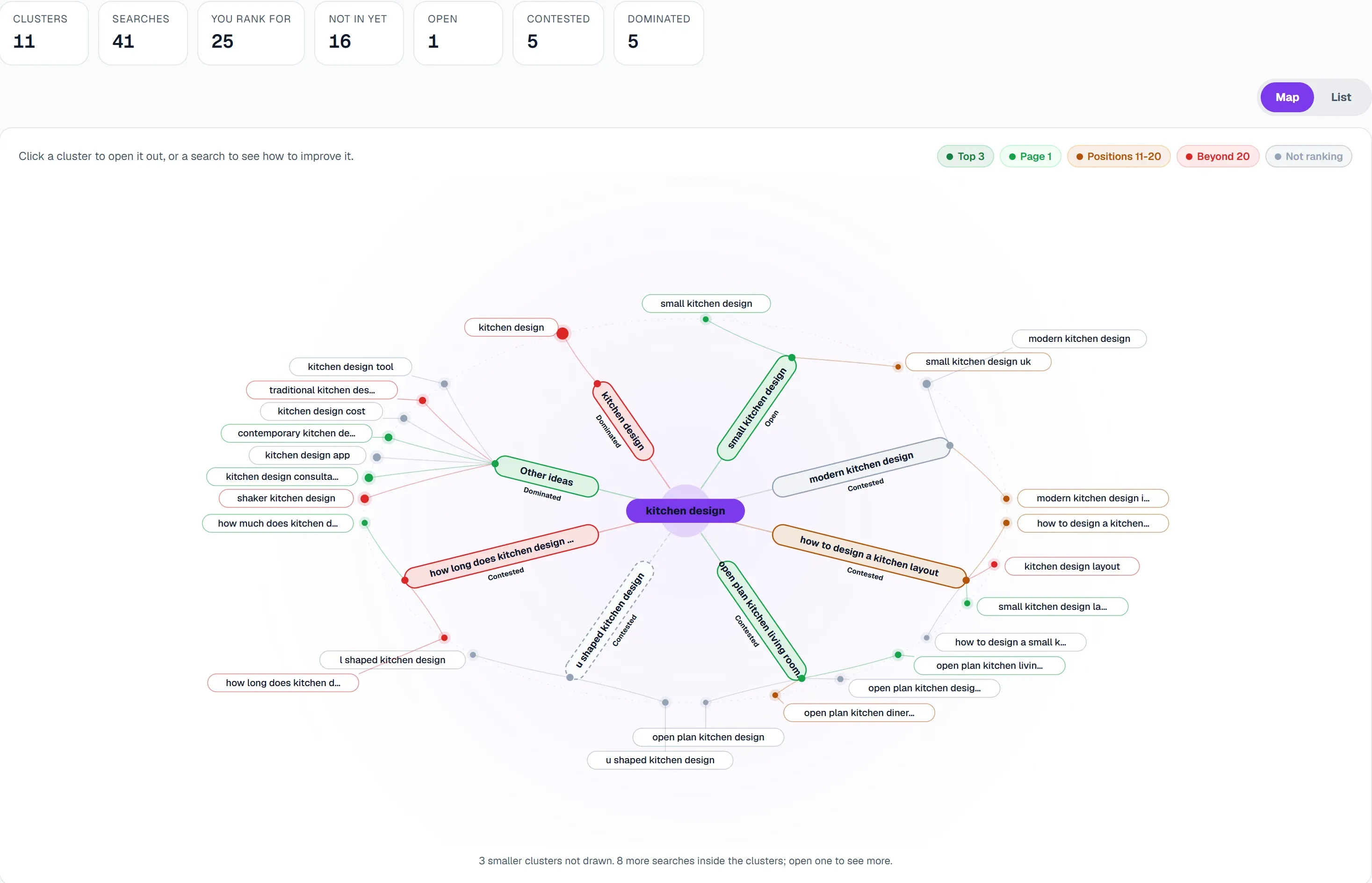
Integrating Technical Health with Content Strategy
Content gaps often hide behind technical issues. A page might have excellent content but fail to rank due to broken links or slow rendering. In-house teams must bridge the divide between content creators and developers.
UtilitySEO bridges this gap by combining technical audits with keyword data. For instance, the single page scan provides a health score and plain-English fixes for over one hundred ranking factors. If a gap analysis reveals a missing keyword, the team can immediately check the target page’s health. The fix with AI feature generates code fixes for specific issues, reducing the time developers spend debugging. This integration ensures that content strategies are built on a technically sound foundation.
Leveraging Historical Data for Strategic Planning
Current data shows where you stand today. Historical data shows how you got there. Comparing past performance helps isolate the cause of ranking fluctuations. Was a drop due to a core update or a competitor’s new content?
Reviewing your seo scan history provides a timeline of your site’s technical evolution. You can restore previous scans to see what changed between two dates. This is crucial for diagnosing sudden traffic drops. UtilitySEO saves previous scans, allowing you to diff two site snapshots and isolate the exact change. This precision removes guesswork from your strategy. You can confidently attribute ranking changes to specific technical or content updates.
How UtilitySEO Supports Your Workflow
UtilitySEO is designed for in-house teams that need precision and speed. The platform integrates multiple data sources to provide a holistic view of your SEO health.
The competitor tracking with gap analysis feature highlights keywords your rivals rank for that you do not. This data feeds directly into your content plan. You can then use the internal link recommender to strengthen those new pages. The system suggests the exact phrase, source page, and target for internal links. This ensures that new content gains authority quickly.
For teams managing large sites, the full site crawl capability is essential. It crawls up to one thousand pages per project, configurable per account. This depth ensures that deep-link issues do not go unnoticed. Combined with the redirect chain detection, which flags chains of three or more hops, you can maintain a clean site structure.
The platform also includes a crawl comparison tool. This diffs two site snapshots to isolate changes. This is vital for post-migration audits or after significant content updates. By knowing exactly what changed, you can correlate technical shifts with ranking movements.
Conclusion
Competitor gap analysis is a continuous process, not a one-time task. It requires accurate data, technical precision, and timely execution. By using tools that offer real-time alerts and detailed technical audits, in-house teams can stay agile. UtilitySEO provides the infrastructure for this workflow, from sitemap audits to real-time monitoring.
Start by identifying your top competitors and running a gap analysis. Use the data to inform your content and technical priorities. Visit our Workflow page to see how these features integrate into a daily routine. Explore our Pricing to find a plan that fits your team size.
Frequently asked questions
what is a competitor gap analysis for SEO
A competitor gap analysis compares your keyword profile against rivals to find specific mismatches and missing opportunities.
- Identifies queries where competitors rank in the top ten.
- Reveals exact content and technical weaknesses holding you back.
- Helps prioritize high-impact fixes based on data.
how do I perform a keyword gap analysis
To perform a keyword gap analysis, compare your site against a rival to find queries they rank for but you do not.
- Assess search intent and content depth for each term.
- Check technical health to ensure pages are crawlable.
- Prioritize low-hanging fruit with weak competitor signals.
why are competitor gaps important for in-house teams
Competitor gaps are vital because they reveal specific technical issues and missing keywords that prevent your site from capturing traffic.
- Moves strategy beyond vague observations to exact data.
- Helps teams prioritize fixes that offer highest ROI.
- Prevents wasting time on guessing what works.
can technical issues cause keyword gaps
Yes, technical issues like poor crawlability or blocked pages can cause keyword gaps even if your content is excellent.
- Missing pages may result from sitemap errors.
- Broken links prevent search engines from indexing content.
- Slow rendering impacts ranking potential for target terms.
how does real-time monitoring help with gap analysis
Real-time monitoring helps by alerting you to immediate ranking changes when competitors update their content or fix issues.
- Detects sudden shifts in competitor positions instantly.
- Allows proactive reactions before competitors consolidate leads.
- Highlights new opportunities created by algorithm updates.
Keep reading
See how your site actually scores
Free 30-second scan, real Google scores and a ranked fix list. No signup needed.
No credit card · Cancel anytime