
Sudden Ranking Drop After a Sudden Traffic Drop
A sudden ranking drop requires precise diagnosis. Use data to isolate technical errors and content issues for faster recovery.
A sudden ranking drop often signals deeper technical issues or algorithmic shifts that require immediate investigation. When organic traffic plummets without warning, the cause is rarely random. It usually stems from a broken redirect chain, a missed canonical tag, or a core update targeting low-quality content. Identifying the root cause quickly prevents long-term revenue loss. This guide explains how to diagnose these drops accurately. We cover specific audit techniques and recovery strategies. You will learn how to use data to pinpoint the exact page and query affected. Understanding the mechanics behind these fluctuations allows you to implement fixes that restore visibility.
Diagnosing the Root Cause of Volatility
Ranking volatility is normal, but a sharp decline demands scrutiny. The first step is isolating whether the issue is site-wide or page-specific. Google Search Console provides the initial data. Look for drops in impressions and clicks. If the drop correlates with a known algorithm update, the issue is likely quality-related. If the drop is immediate and coincides with a site change, it is technical.
Use the traffic recovery playbook approach to structure your investigation. Start by checking index coverage. Ensure that pages are not marked as excluded due to server errors. Next, review the core web vitals report. Slow loading pages lose position. A sudden ranking drop often follows a hosting migration or a theme update that broke the layout. Verify that your robots.txt file is not blocking important resources. Check for 404 errors on high-traffic pages. These errors signal to Google that the content is unavailable.
Technical Audits for Rapid Recovery
Technical SEO forms the foundation of visibility. A single misconfiguration can cascade into a significant loss of traffic. The migration seo checklist is essential if you recently moved domains or changed URLs. Ensure all old URLs redirect correctly to their new counterparts. Redirect chains waste crawl budget. Google may stop following links after three hops. This breaks the equity flow from your backlinks.
Canonical tags must point to the preferred version of each page. Self-referencing canonicals prevent duplicate content issues. Hreflang tags must be symmetric. Missing self-references in hreflang sets cause Google to serve the wrong language version to users. This increases bounce rates and lowers rankings. Audit your sitemap to ensure it matches the live site. Submit updated sitemaps after major changes. Monitor the crawl stats in Search Console. A sudden drop in crawled pages indicates a blocking issue.
Content Quality and Algorithm Signals
Google updates its algorithms frequently to reward high-quality content. A sudden ranking drop may indicate that your content no longer meets the threshold for your target queries. Core updates often target pages with thin content or poor user experience. Review your top-performing pages. Check for keyword cannibalisation. Multiple pages targeting the same query confuse Google about which page to rank.
Use the 30 day seo recovery framework to assess content quality. Analyse the intent behind your target keywords. Ensure your content satisfies that intent better than competitors. Update outdated statistics and broken links. Remove duplicate content sections. Use schema markup to help Google understand your content structure. FAQ schema no longer shows as a rich result for most sites, so treat it as a way to label your answers rather than a route to extra visibility. Monitor your brand mentions. Negative sentiment can impact rankings indirectly. A lack of E-E-A-T signals can also hurt visibility. Add author bios and cite reputable sources.
Leveraging UtilitySEO for Precise Diagnostics
UtilitySEO provides the specific data points needed to diagnose a sudden ranking drop. The platform parses your site structure and cross-references it with Google Search Console data. The Traffic-drop diagnostic feature isolates the exact date and page where the decline began. It correlates this drop with algorithm update dates. This removes guesswork from the process.
The Crawl comparison tool diffs two site snapshots. It highlights new 404 errors, redirect chains, and missing canonical tags. You can see exactly what changed between the last successful crawl and the current one. The Keyword clusters feature groups queries by the page Google routes them to. This reveals cannibalisation issues instantly. If two pages compete for the same cluster, you must consolidate or differentiate them.
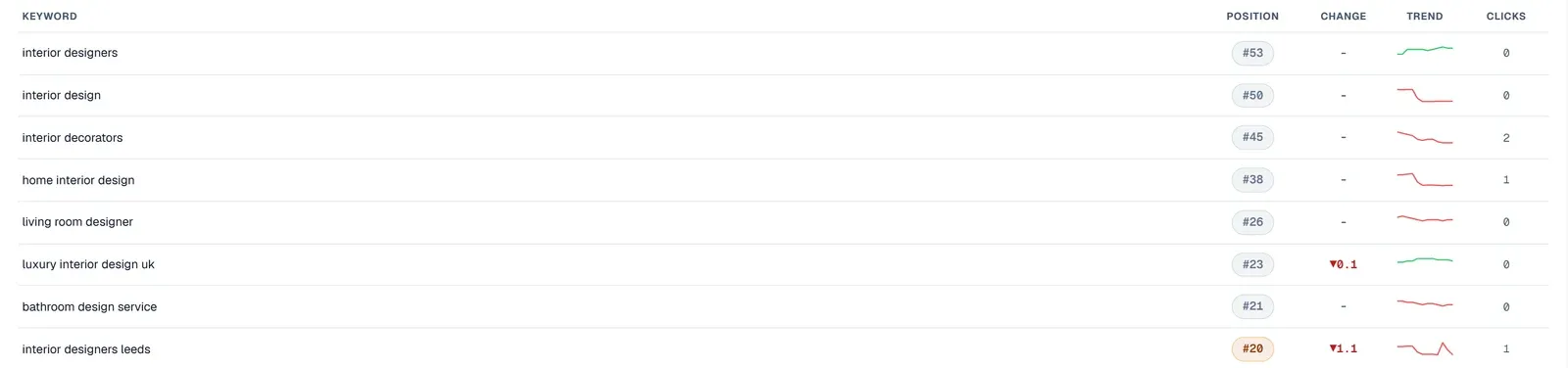
The Rank tracking module monitors daily positions. It flags when a keyword drops below its historical average. The Algorithm-update overlay helps you determine if the drop is part of a broader trend. If your competitors also dropped, the issue is likely algorithmic. If only your site dropped, it is technical. Use the Site Health score to track your progress. The trend sparkline shows whether your technical issues are improving or worsening. You can assign SEO to-dos to your team based on audit findings. This ensures that every identified issue has an owner and a deadline.
Executing an Algorithm Penalty Recovery Plan
Recovering from an algorithm penalty requires a systematic approach. First, identify the specific update that affected your site. Google rarely announces penalties directly. You must infer the cause from the data. Use the algorithm penalty recovery strategy to rebuild trust. This involves fixing technical errors first. Then, improve content quality.
Remove or rewrite thin content. Add unique value to every page. Increase the depth of your analysis. Include original research or data. Update your meta titles and descriptions. Ensure they match the page content. Use the Meta generator to create optimised snippets. Test them in the SERP snippet preview. This ensures they display correctly on all devices.
Monitor your recovery weekly. Do not expect immediate results. It can take weeks for Google to re-crawl and re-index your pages. Use the Scheduled weekly re-crawls feature in UtilitySEO. This ensures you catch new issues quickly. Export your data to CSV for further analysis. Share the findings with your team. Focus on high-value queries first. Restore traffic to your top revenue-generating pages. Then, move down the list. Consistency is key. Small, daily improvements compound over time.
Conclusion
A sudden ranking drop is a critical signal. It requires immediate and precise action. Do not guess at the cause. Use data to isolate the issue. Whether it is a technical error or a quality penalty, the solution lies in accurate diagnosis. UtilitySEO provides the tools to perform this diagnosis efficiently. From crawl comparisons to keyword clustering, the platform gives you the visibility you need. Start by auditing your site health. Fix the technical issues first. Then, improve your content. Follow the migration seo checklist if you have recently changed your site structure. Use the traffic recovery playbook to guide your efforts. Monitor your progress with Rank tracking. Restore your visibility by addressing the root cause. Visit Pricing to access these tools.
Frequently asked questions
why did my google rankings drop suddenly
A sudden ranking drop usually stems from technical errors like broken redirects or missed canonical tags that disrupt crawlability.
- Check for broken redirect chains wasting crawl budget.
- Verify canonical tags point to preferred page versions.
- Review core web vitals for layout shifts.
how to fix sudden traffic drop in search console
Diagnose the issue by isolating whether the decline is site-wide or page-specific using Google Search Console data.
- Check index coverage for server errors or exclusions.
- Review crawl stats for sudden drops in crawled pages.
- Analyze impressions and clicks for specific query patterns.
is a sudden ranking drop caused by an algorithm update
If the drop correlates with a known core update, the issue is likely related to content quality or user experience signals.
- Review top pages for thin or outdated content.
- Check for keyword cannibalization confusing search engines.
- Compare your content intent against current competitors.
can broken hreflang tags cause a sudden ranking drop
Missing hreflang self-references can cause Google to serve the wrong language version, increasing bounce rates and lowering your rankings.
- Ensure hreflang tags are symmetric across all pages.
- Verify self-referencing tags prevent duplicate content issues.
- Check that language versions match user location signals.
how long does it take to recover from a ranking drop
Recovery time depends on the root cause, but technical fixes often show results within days while content updates take weeks.
- Technical fixes like redirects restore equity quickly.
- Content quality improvements require re-crawling and trust.
- Monitor brand mentions and backlink equity during recovery.
Keep reading
See how your site actually scores
Free 30-second scan, real Google scores and a ranked fix list. No signup needed.
No credit card · Cancel anytime