
Multi-Modell-SEO-Audit: Warum der KI-Konsens mehrerer LLMs eine einzelne Meinung schlägt

So liefert ein Multi-Modell-SEO-Audit auf Basis von LLM-Konsens bessere Erkenntnisse und KI-gestützte Fixes für eine umfassende Website-Optimierung.
Ein Multi-Modell-SEO-Audit geht über eine einzelne Analyseperspektive hinaus und führt Erkenntnisse verschiedener KI-Modelle zusammen. So entsteht eine belastbarere und genauere Bewertung der Leistung einer Website. Dieser Ansatz ist wichtig in einer Suchlandschaft im Wandel, in der klassische Ranking-Faktoren auf anspruchsvolle KI-Interpretationen von Inhalten und Nutzerabsichten treffen. Wer sich auf den Konsens mehrerer Large Language Models (LLMs) stützt, verringert die Verzerrungen, die jedem einzelnen Modell innewohnen, und kommt zu verlässlicheren Diagnosen und wirksameren Strategien. Dieser Beitrag erklärt, warum ein Multi-Modell-SEO-Audit nötig ist, wie er funktioniert und wie UtilitySEO diese fortgeschrittene Methode unterstützt.
Die sich wandelnde Suchlandschaft und der KI-Audit-Konsens
Klassische SEO-Audits konzentrieren sich oft auf technische Gesundheit, Keyword-Optimierung und Backlink-Profile. Moderne Suchmaschinen, zunehmend KI-gestützt, bewerten Inhalte jedoch über semantisches Verständnis, Entitätserkennung und komplexe Modelle der Nutzerabsicht. Ein Multi-Modell-SEO-Audit trägt diesem Wandel Rechnung und prüft die Leistung einer Website anhand dieser unterschiedlichen Interpretationsrahmen. Ein KI-Audit-Konsens entsteht, wenn mehrere LLMs denselben Inhalt oder dasselbe Website-Element analysieren und zu ähnlichen Schlüssen kommen, was die Ergebnisse bestätigt. Dieser Konsens gibt deutlich mehr Sicherheit bei den Empfehlungen des Audits als ein einzelnes, möglicherweise voreingenommenes KI-Modell oder eine einzelne menschliche Meinung.
Ein LLM erkennt zum Beispiel besonders gut semantische Lücken, ein anderes ist besser darin, feine Beziehungen zwischen Entitäten aufzuspüren. Kombiniert man ihre Erkenntnisse, ergibt sich ein vollständigeres Bild der Wirksamkeit eines Inhalts. So lässt sich nicht nur erkennen, was aus klassischer Keyword-Sicht fehlt, sondern auch, wie gut der Inhalt zum differenzierten Verständnis KI-getriebener Suche passt.
Audits über verschiedene SEO-Modelle hinweg
Ein echtes Multi-Modell-SEO-Audit geht über rein technische Prüfungen hinaus. Es bewertet systematisch, wie gut eine Website für unterschiedliche SEO-Paradigmen optimiert ist:
Klassisches Keyword- und Technik-SEO
Diese Grundlage stellt sicher, dass die Website crawlbar, indexierbar und technisch sauber ist. Ein Audit in diesem Modell prüft etwa auf defekte Links, Weiterleitungsketten, uneinheitliche Canonical-Tags und dünne Inhalte. Außerdem kontrolliert es Keyword-Dichte und -Platzierung. Der Einzelseiten-Scan von UtilitySEO untersucht über 100 Ranking-Faktoren und liefert einen Gesundheitswert sowie verständliche Fixes. Der Crawl der gesamten Website deckt bis zu 1.000 Seiten ab und erkennt Probleme wie verwaiste Seiten und nofollow-Links im internen Linkaufbau. Das JavaScript-Rendering der Plattform sorgt dafür, dass moderne React- und Vue-Websites korrekt gescannt werden und nicht als leere Seiten erscheinen.
Semantisches und entitätsbasiertes SEO
Dieses Modell bewertet, wie gut ein Inhalt Bedeutung und Relevanz über exakte Keyword-Treffer hinaus vermittelt. Es betrachtet die Breite und Tiefe der behandelten Themen, die Beziehungen zwischen den genannten Entitäten und den gesamten inhaltlichen Zusammenhang. Ein Audit prüft hier, wie umfassend eine Seite die Nutzerabsicht bedient, nicht nur für ein Haupt-Keyword, sondern auch für verwandte Konzepte und Fragen. Dazu gehört die Bewertung, ob der Inhalt unausgesprochene Anfragen beantworten kann und Expertise, Autorität und Vertrauenswürdigkeit (E-E-A-T) zeigt.
KI-getriebene Suche und Bereitschaft für Konversations-KI
Der Aufstieg konversationeller KI-Oberflächen wie ChatGPT und Perplexity verlangt einen neuen Audit-Schwerpunkt. Dieses Modell bewertet, wie leicht KI-Systeme Informationen extrahieren, Inhalte zusammenfassen und damit Nutzerfragen präzise beantworten können. Dazu gehören klare, knappe Sprache, gut strukturierte Informationen und strukturierte Daten, die das KI-Verständnis erleichtern. Ein Audit in diesem Bereich geht über das klassische Ranking hinaus und bewertet die „Antwortfähigkeit“ einer Website im KI-Kontext. Die Funktion Robots-txt- und llms.txt-Tester von UtilitySEO testet gegen 9 Crawler, gruppiert nach Suche, KI-Antworten und KI-Training, damit Inhalte für verschiedene KI-Systeme zugänglich und interpretierbar sind. Das Tracking von KI-Referral-Traffic überwacht Besucher von ChatGPT und Perplexity und liefert direkte Einblicke in die KI-Sichtbarkeit.
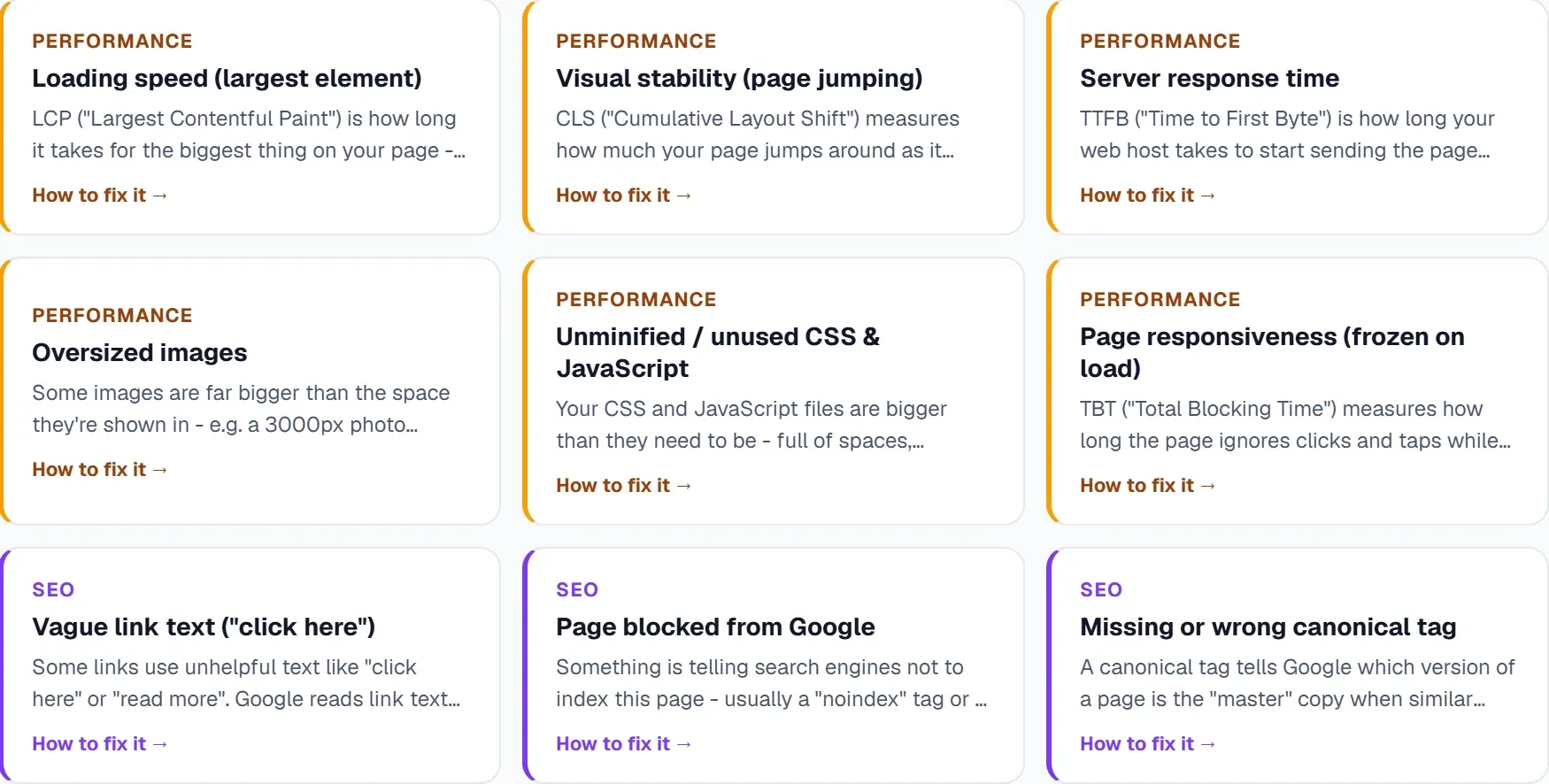
KI-Code-Fix und KI-Autofix für SEO umsetzen
Einer der großen Vorteile eines Multi-Modell-SEO-Audits, besonders bei LLM-Konsens, ist die Möglichkeit, präzise, umsetzbare Fixes zu erzeugen. Wenn mehrere LLMs ein bestimmtes Problem und seine optimale Lösung gleich einschätzen, steigt das Vertrauen in den Fix erheblich. Das führt zu effizienten KI-Autofix-SEO-Fähigkeiten.
UtilitySEO setzt genau hier an mit der Funktion Multi-Modell-Audit, die dieselbe Seite durch mehrere LLMs laufen lässt, um einen Konsens zu erzielen. Dieser Konsens fließt dann in die Funktion Fix with AI ein, die für erkannte Probleme einen konkreten Code-Fix erzeugt. Erkennt ein LLM-Konsens etwa ein Problem bei der Klarheit oder Keyword-Relevanz einer Meta-Beschreibung, kann die Plattform eine optimierte Meta-Beschreibung vorschlagen. Ist die Umsetzung strukturierter Daten fehlerhaft, kann die Funktion KI-Code-Fix-SEO ebenso das exakt benötigte JSON-LD-Schema vorschlagen. Das vereinfacht die Umsetzung komplexer SEO-Änderungen und verringert manuellen Aufwand und mögliche Fehler.
Die Rolle von UtilitySEO beim Multi-Modell-Audit
UtilitySEO liefert die Infrastruktur für ein belastbares Multi-Modell-SEO-Audit. Der Ansatz des Multi-Modell-Audits steht im Mittelpunkt des Angebots. Indem die Plattform die gebündelte Intelligenz mehrerer LLMs nutzt, entsteht ein differenziertes Bild der SEO-Gesundheit einer Website.
Über die zentralen Audit-Funktionen hinaus bietet UtilitySEO Funktionen, die eine Multi-Modell-Strategie unterstützen:
* Content-Audit: Bewertet Qualitätssignale pro Seite, wichtig für semantische und entitätsbasierte Optimierung.
* Google-Freshness-Audit: Prüft das Alter von Inhalten im Verhältnis zur Art der Suchanfrage, entscheidend für Relevanz in dynamischen Suchumfeldern.
* Meta-Generator: Erstellt Titel, Beschreibungen, Alt-Texte, FAQs und JSON-LD-Schema und unterstützt damit direkt das KI-Verständnis und bewährte Praktiken für strukturierte Daten.
* AI Visibility Brand Tracking: Überwacht die Erwähnungsraten in ChatGPT, Gemini, Perplexity und Claude und zeigt direkt, wie KI-Modelle Ihre Marke wahrnehmen.
* KI-Prompt-Vorschläge: Bieten Prompt-Design, das an der Suchabsicht ausgerichtet ist, und helfen, Inhalte zu optimieren für Anfragen an Konversations-KI.
Die Fähigkeit der Plattform, konkrete Fixes zu erzeugen, etwa mit Fix with AI, macht aus Audit-Ergebnissen greifbare Verbesserungen. Diese Verbindung aus umfassendem Audit und direkten KI-gestützten Lösungen macht UtilitySEO zu einem starken Verbündeten in der komplexen modernen Suche. Wie diese Funktionen Ihren SEO-Workflow verändern können, sehen Sie auf der Seite Workflow.
Fazit
Die Zeit, in der man sich auf eine einzige SEO-Perspektive verlassen hat, ist vorbei. Ein Multi-Modell-SEO-Audit, getragen vom Konsens mehrerer LLMs, ist eine überlegene, widerstandsfähigere Strategie, um Websites im heutigen KI-getriebenen Suchumfeld zu optimieren. Wer die Leistung über klassische, semantische, entitätsbasierte und KI-spezifische Modelle hinweg bewertet, kann eine wirklich ganzheitliche digitale Präsenz aufbauen. UtilitySEO liefert die Werkzeuge und die Intelligenz für solche fortgeschrittenen Audits und übersetzt komplexe KI-Erkenntnisse in klare, umsetzbare Fixes. Entdecken Sie die Stärke des LLM-Konsens und fortgeschrittenen KI-getriebenen SEO mit den Möglichkeiten von UtilitySEO.
Frequently asked questions
Was ist ein Multi-Modell-SEO-Audit und warum ist er wichtig?
Ein Multi-Modell-SEO-Audit führt Erkenntnisse verschiedener KI-Modelle zusammen und liefert so eine belastbarere, genauere Bewertung der Leistung einer Website. Das ist in der sich wandelnden, KI-gestützten Suchlandschaft entscheidend.
- Er geht über eine einzelne Analyseperspektive hinaus.
- Er verringert die Verzerrungen, die jedem einzelnen Modell innewohnen.
- Er führt zu verlässlicheren Diagnosen und wirksameren Strategien.
Wie verbessert LLM-Konsens die Zuverlässigkeit von SEO-Audits?
Ein KI-Audit-Konsens entsteht, wenn mehrere Large Language Models (LLMs) denselben Inhalt oder dasselbe Website-Element analysieren und zu ähnlichen Schlüssen kommen. Das bestätigt die Ergebnisse und stärkt das Vertrauen in die Empfehlungen.
- Verringert die Abhängigkeit von möglicherweise voreingenommenen Einzelmodellen.
- Gibt mehr Sicherheit bei den Audit-Ergebnissen.
- Verbindet die Stärken verschiedener LLMs zu umfassenden Erkenntnissen.
Welche Arten von SEO-Modellen bewertet ein Multi-Modell-Audit?
Ein Multi-Modell-SEO-Audit bewertet die Optimierung einer Website systematisch über verschiedene Paradigmen hinweg, darunter klassisches Keyword- und Technik-SEO, semantisches und entitätsbasiertes SEO sowie die Bereitschaft für KI-getriebene Suche.
- Prüft die technische Grundgesundheit und die Platzierung von Keywords.
- Bewertet Inhalte auf semantische Bedeutung und Entitätsbeziehungen.
- Beurteilt die Bereitschaft für konversationelle KI-Oberflächen.
Kann ein Multi-Modell-SEO-Audit bei E-E-A-T helfen?
Ja, ein Multi-Modell-SEO-Audit hilft zu bewerten, ob ein Inhalt Expertise, Autorität und Vertrauenswürdigkeit (E-E-A-T) zeigt, indem er prüft, wie umfassend eine Seite die Nutzerabsicht bedient.
- Untersucht Breite und Tiefe der behandelten Themen.
- Betrachtet die Beziehungen zwischen den genannten Entitäten.
- Bewertet den gesamten inhaltlichen Zusammenhang und die Fähigkeit, unausgesprochene Anfragen zu beantworten.
Keep reading
See how your site actually scores
Free 30-second scan, real Google scores and a ranked fix list. No signup needed.
No credit card · Cancel anytime