
Zoekwoordclustering onder de knie krijgen: stap voor stap naar SEO-succes

Ontdek wat zoekwoordclustering is en wat het je bedrijf oplevert.
Deze gids laat zien waarom zoekwoordclustering belangrijk is voor zoekmachineoptimalisatie en hoe het je topical authority kan verbeteren. Zoekwoordclustering is een cruciaal onderdeel van SEO: je groepeert verwante zoekwoorden tot onderwerpclusters. Wie zoekwoordclustering begrijpt, bouwt meer autoriteit in zijn niche op en verbetert zijn online zichtbaarheid.
Inleiding op zoekwoordclustering
Zoekwoordclustering is een techniek waarmee je verwante zoekwoorden herkent en groepeert. Zo maak je content die past bij een specifiek onderwerp, en dat versterkt de autoriteit van je website op dat onderwerp. Met zoekwoordclustering kunnen bedrijven een contentstrategie opzetten die gericht is op een specifieke niche, wat hun posities in zoekmachines kan verbeteren.
Voordelen van zoekwoordclustering
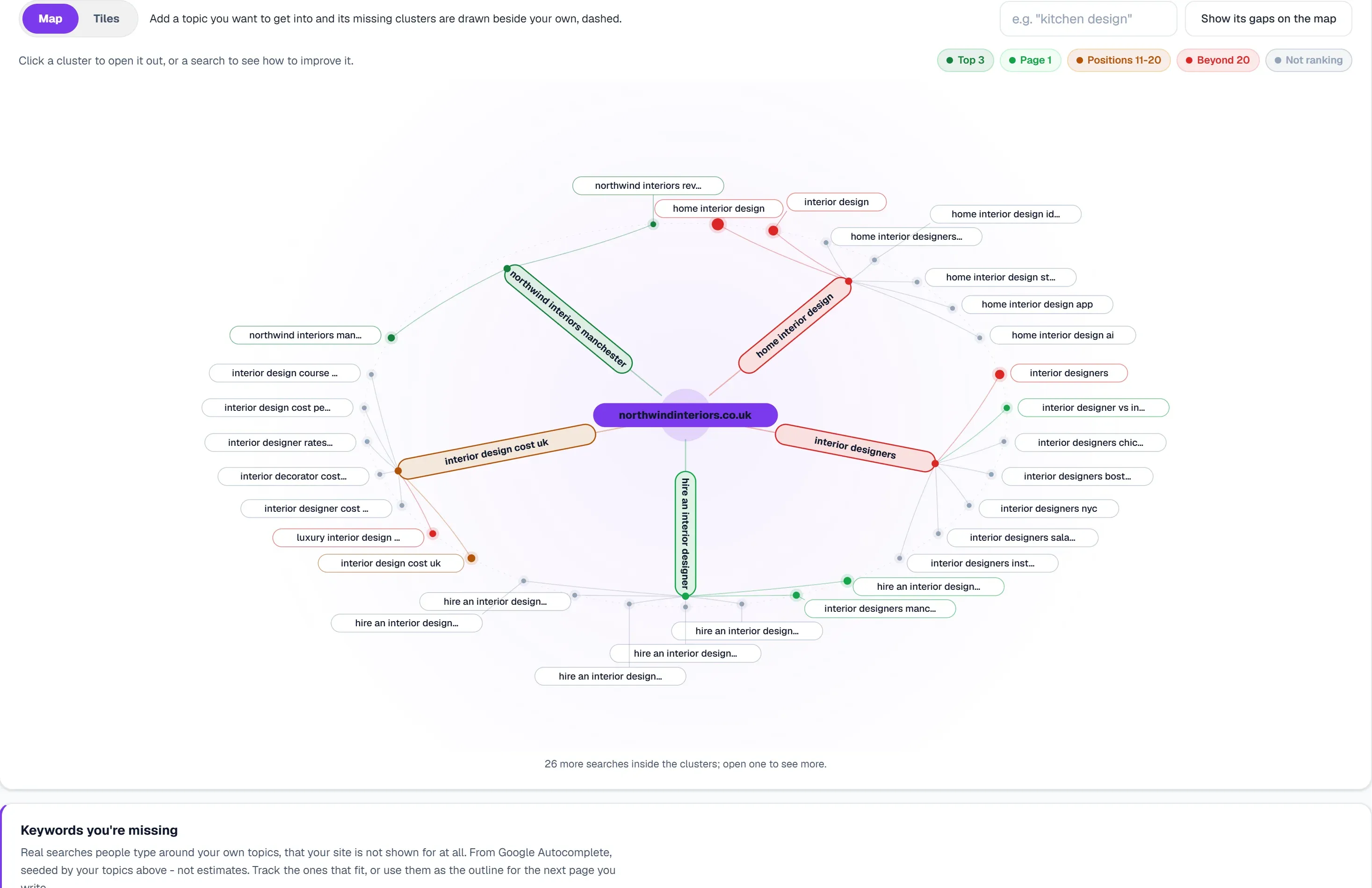
De voordelen van zoekwoordclustering zijn onder meer meer topical authority, hogere relevantie en betere posities in zoekmachines. Met onderwerpclusters laten bedrijven hun expertise op een bepaald gebied zien en zetten ze hun merk neer als autoriteit in die niche. Zoekwoordclustering helpt ook om gaten in je content te vinden, die je kunt vullen met relevante content van hoge kwaliteit.
Praktijkvoorbeelden van zoekwoordclustering
Veel bedrijven hebben met zoekwoordclustering hun online zichtbaarheid verbeterd. Een bedrijf dat outdoorspullen verkoopt, kan bijvoorbeeld onderwerpclusters opbouwen rond zoekwoorden als wandelen, kamperen en outdoor-avonturen. Met content over deze onderwerpen bouwt het bedrijf autoriteit op in de niche van outdoorspullen en trekt het meer klanten aan.
Hoe UtilitySEO past bij zoekwoordclustering
UtilitySEO biedt verschillende tools waarmee bedrijven aan de slag kunnen met zoekwoordclustering. Met de zoekwoordtracking van het platform volgen bedrijven hun posities en zien ze gaten in hun content. De contentaudit-tool laat zien wat je kunt verbeteren, en de site-audit geeft technische SEO-aanbevelingen. Met deze tools bouw je een complete strategie voor zoekwoordclustering die je topical authority en nicheautoriteit versterkt.
Conclusie en volgende stappen
Zoekwoordclustering is een krachtige techniek waarmee bedrijven hun online zichtbaarheid kunnen verbeteren en autoriteit kunnen opbouwen in een specifieke niche. Met de juiste tools en strategieën maak je een compleet plan voor zoekwoordclustering dat meer verkeer en omzet oplevert. Om te beginnen kunnen bedrijven zoekwoordtracking gebruiken om hun posities te volgen en verbeterpunten te vinden. Op de pagina Prijzen lees je ook meer over de functies en tools van UtilitySEO.
Frequently asked questions
Wat is zoekwoordclustering in SEO
Bij zoekwoordclustering groepeer je verwante zoekwoorden.
- Verbetert topical authority
- Verhoogt de relevantie
- Versterkt nicheautoriteit
Hoe gebruik ik zoekwoordclustering voor mijn bedrijf
Zoekwoordclustering helpt bedrijven om gerichte content te maken.
- Vindt gaten in je content
- Verbetert posities in zoekmachines
- Bouwt merkautoriteit op
Is zoekwoordclustering de moeite waard voor kleine bedrijven
Zoekwoordclustering is de moeite waard voor kleine bedrijven, omdat het de online zichtbaarheid verbetert.
- Vergroot het websiteverkeer
- Levert meer omzet op
- Versterkt de geloofwaardigheid van je merk
Kan ik zoekwoordclustering doen zonder SEO-tools
Zoekwoordclustering kan handmatig, maar met SEO-tools gaat het makkelijker.
- Bespaart tijd
- Geeft inzicht in data
- Verhoogt de nauwkeurigheid
Waarom is zoekwoordclustering belangrijk voor topical authority
Zoekwoordclustering is belangrijk voor topical authority, omdat het expertise laat zien.
- Bouwt nicheautoriteit op
- Verbetert posities in zoekmachines
- Verhoogt de relevantie
Keep reading
See how your site actually scores
Free 30-second scan, real Google scores and a ranked fix list. No signup needed.
No credit card · Cancel anytime