

SEO
Competitor Gap Analysis: Keywords They Rank For and You Do Not
Discover how to use competitor gap analysis to find keywords your rivals rank for and you do not, boosting your organic search presence.
A competitor gap analysis identifies opportunities by examining what your rivals do well that you currently do not. In SEO, this often means discovering keywords your competitors rank for, but your website does not. This process provides a clear roadmap for content creation and optimisation, directly impacting your organic visibility and market share. Understanding these keyword gaps is crucial for any business aiming to expand its online reach and outmanoeuvre competitors.
Understanding Competitor Gap Analysis in SEO
Competitor gap analysis in SEO focuses on identifying discrepancies in keyword rankings between your site and those of your competitors. This is more than just observing who ranks for what; it is about understanding why. A thorough competitor SEO analysis reveals not only missing keywords but also content opportunities, potential backlink targets, and areas where your competitors excel in user experience or technical SEO. This method moves beyond simple observation to strategic insight.
The goal is to pinpoint keywords that drive traffic to your rivals but are absent from your own keyword portfolio. For example, if a competitor ranks highly for "eco friendly gardening tools" and you do not, despite selling similar products, this represents a significant keyword gap. Addressing such gaps allows you to capture previously untapped search demand.
Identifying Keyword Gaps with UtilitySEO
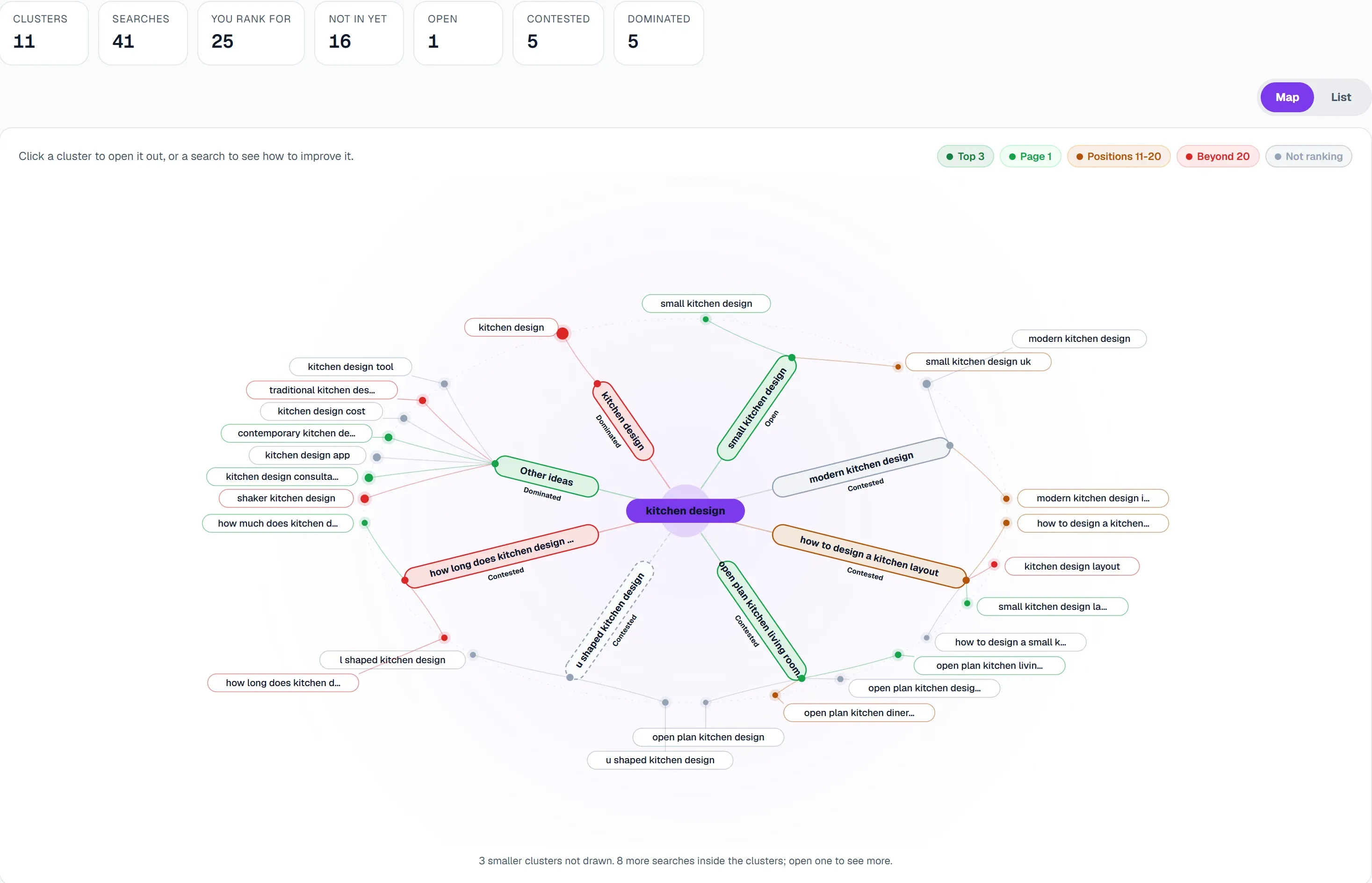
UtilitySEO offers specific tools to streamline your competitor keyword gap analysis. Our Competitor tracking with gap analysis feature directly identifies keywords where your competitors rank and you do not. This functionality provides a clear, actionable list of terms to target.
Beyond simple keyword identification, UtilitySEO helps you understand the context of these gaps. The platform integrates with Google Search Console to provide GSC integration: keywords, pages, positions, clicks, impressions, CTR, allowing you to compare your current performance against competitor insights. This helps you prioritise which gaps offer the most significant potential return. For instance, you can see if a competitor's high-ranking keyword has substantial search volume and a reasonable difficulty estimate using our Keyword difficulty estimate.
Our platform also assists in translating these identified gaps into content strategy. Once a keyword gap is found, you can use the Blog Plan feature to generate briefs and full posts designed to target those specific keywords. This integrated approach ensures that the insights from your competitor gap analysis lead directly to new, optimised content.
Moving Beyond "Catching Up": Innovative Strategies
Simply identifying keyword gaps and creating content is a good start, but true innovation comes from using this data to develop disruptive strategies. Instead of merely replicating what competitors do, consider how you can improve upon it or approach the topic from a unique angle.
For example, if competitors rank for a broad keyword like "best running shoes," a disruptive strategy might involve targeting a niche within that. Perhaps "running shoes for flat feet marathon runners," combined with in depth content that competitors lack. This approach requires understanding not just the keywords, but also the intent behind them and the unmet needs of the audience.
Another innovative approach involves using the gap analysis to identify emerging trends before competitors fully capitalise on them. Our AI prompt suggester can help design intent mapped prompts for content creation, allowing you to explore new angles and topics derived from your gap analysis. This allows you to position your brand as a thought leader rather than a follower.
Common Pitfalls and Holistic Integration
When conducting a competitor gap analysis, several pitfalls can hinder effectiveness. A common mistake is focusing solely on direct competitors. Indirect competitors, those offering alternative solutions or serving the same audience with different products, can reveal unexpected keyword opportunities. For example, a coffee shop might analyse a tea shop's keywords to understand beverage related searches.
Another pitfall is failing to consider the effort versus impact of addressing specific gaps. Not every keyword gap is worth pursuing. Prioritise gaps based on factors like search volume, keyword difficulty, relevance to your offerings, and potential for conversion. UtilitySEO's Content Opportunities feature helps here, ranking striking distance and low CTR pages by real upside, guiding your focus.
For a more holistic view, integrate your competitor gap analysis with other strategic frameworks. A SWOT analysis can help you align identified keyword opportunities with your internal strengths and weaknesses. Porter's Five Forces can provide context on industry attractiveness and competitive intensity, helping you choose battles wisely. Understanding your own internal capabilities and organisational culture is vital for successfully implementing changes derived from gap analysis. An organisation resistant to content innovation will struggle to capitalise on new keyword opportunities, regardless of how well they are identified.
Measuring ROI and Future-Proofing
Measuring the return on investment (ROI) of a competitor gap analysis and the subsequent actions is crucial for demonstrating its value. Track key metrics such as organic traffic increases, new keyword rankings, improvements in conversion rates from new content, and ultimately, revenue generated from efforts targeting identified gaps.
UtilitySEO's Rank tracking provides daily positions and best ever flags, allowing you to monitor the impact of your efforts. The GSC integration offers insights into clicks, impressions, and CTR for newly targeted keywords. Our Algorithm update overlay helps correlate any traffic drops or gains with confirmed Google updates, providing context to your performance changes.
To future proof your strategy, regularly revisit your competitor gap analysis. The SEO landscape is constantly evolving, with new competitors emerging and existing ones refining their strategies. Scheduled weekly re crawls and crawl comparison features in UtilitySEO allow you to monitor changes over time and identify new gaps as they appear. This continuous process ensures your SEO strategy remains agile and responsive to market shifts.
Drive Your SEO Strategy with UtilitySEO
Competitor gap analysis is a powerful tool for uncovering hidden opportunities and refining your SEO strategy. By systematically identifying keywords your competitors rank for and you do not, you gain a clear path to increased organic visibility. UtilitySEO provides the specific tools, such as Competitor tracking with gap analysis and Blog Plan, to turn these insights into tangible results. Explore how UtilitySEO can transform your competitive intelligence into a strategic advantage and help you innovate beyond current market standards. You can learn more about our capabilities and pricing to see how we fit into your workflow.
Preguntas frecuentes
A competitor gap analysis in SEO is the process of identifying keywords where your rivals rank highly, but your website either ranks poorly or not at all, revealing opportunities for content creation and optimization. This analysis is crucial for understanding your competitive landscape and expanding your organic search presence.
- It uncovers keywords driving competitor traffic.
- It highlights content and backlink opportunities.
- It provides a strategic roadmap for SEO efforts.
You can find keywords your competitors rank for that you don't by using specialized SEO tools that offer competitor tracking and gap analysis features, allowing for a direct comparison of keyword portfolios. These tools streamline the process of identifying discrepancies in search engine rankings.
- Enter your domain and competitor domains.
- Generate a report showing overlapping and unique keywords.
- Focus on keywords where competitors rank well and you don't.
Competitor gap analysis is important for your website because it reveals untapped opportunities to attract organic traffic and gain market share by targeting keywords your rivals already leverage successfully. This strategic insight helps you prioritize your SEO efforts effectively.
- It identifies new content ideas.
- It helps capture previously missed search demand.
- It informs a more competitive SEO strategy.
Yes, competitor gap analysis directly helps with content creation by providing a clear, actionable list of keywords that competitors rank for but you don't, which can be used to develop new, targeted content. This ensures your content addresses proven search demand.
- It pinpoints specific topics for new articles.
- It helps create content that fills market gaps.
- It guides the optimization of existing pages.
Sabe qué arreglar a continuación.
Analiza tu sitio y ten más claro por dónde empezar.
Unos 30 segundos. Sin tarjeta.