

SEO
Top 10 SEO-workflowtools en platforms voor bureaus
Zo passen toonaangevende SEO-platforms in de workflows van bureaus. Bekijk wat SEMrush, Ahrefs, Moz en andere kunnen voor uitgebreide...
Een SEO-workflow is cruciaal om campagnes succesvol op te leveren. Wie taken en projecten goed beheert, kan klanten diensten van hoge kwaliteit bieden. Dit artikel laat zien hoe belangrijk een goed georganiseerde workflow is om SEO-doelen te halen en bespreekt strategieën voor invoering en verbetering. Regelmatige updates behandelen best practices en inzichten uit de branche.
UtilitySEO
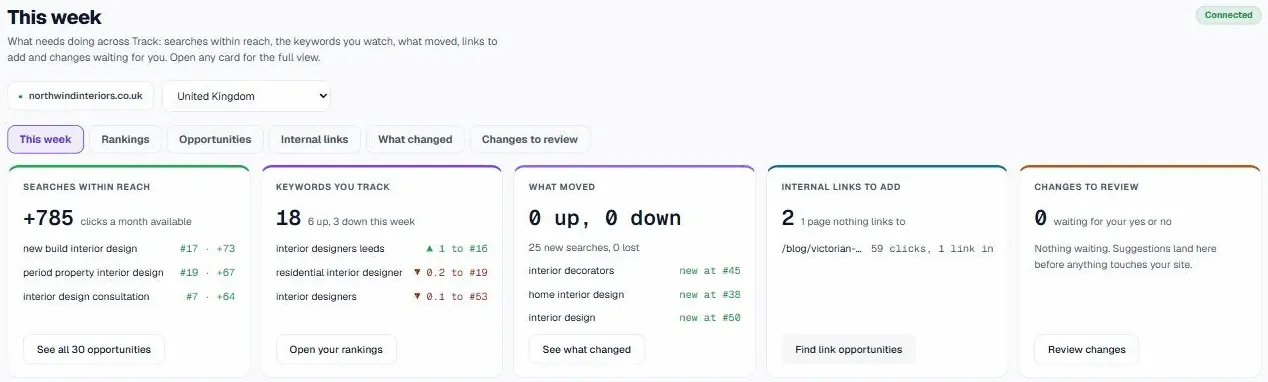
UtilitySEO helpt bureaus hun SEO-werk te stroomlijnen en levert ongeëvenaarde inzichten en efficiëntie.
SEMrush
Het uitgebreide functieaanbod omvat domeinanalyses, het vinden van zoekwoordkansen, de beoordeling van backlinkprofielen, audits van sitebeheer en prestaties en analyse van het concurrentielandschap. Bureaus gebruiken de krachtige dataverzameling en visualisatie voor tactische campagneopzet, voortdurende prestatiemonitoring en geautomatiseerde klantrapportage. Zo ontleden ze systematisch de dynamiek van de SERP's en de strategieën van concurrenten om strategische bijsturing voor uiteenlopende klantportfolio's te onderbouwen.
Ahrefs
Het platform ondersteunt het gedetailleerd uitpluizen van verwijzende domeinen, de verdeling van ankerteksten en de ontwikkeling van linkopbouw, en levert daarnaast uitgebreide cijfers over zoekwoordmoeilijkheid en schattingen van zoekvolume. De Content Explorer helpt bij het vinden van goed presterende content en hiaten in topical authority, terwijl de site-audittool technische SEO-obstakels opspoort.
Moz
De Link Explorer van het platform geeft inzicht in inkomende linkstructuren en domeinkwaliteit, terwijl de Keyword Explorer helpt bij onderwerpsonderzoek en SERP-analyse, inclusief voorspellingen van de organische CTR. Site Crawl spoort tekortkomingen in technische en on-page optimalisatie op.
Screaming Frog
De mogelijkheden reiken van het vinden van kapotte links, het analyseren van redirectketens en het beoordelen van metadata tot het opsporen van dubbele content en het visualiseren van de sitearchitectuur. Met de instelbare crawlparameters en eigen extractiefuncties voeren bureaus diepgaande diagnoses uit op grote websites, vinden ze obstakels voor indexering en onderbouwen ze adviezen voor structurele optimalisatie. Deze gedetailleerde dataverzameling is cruciaal om de technische SEO-gezondheid voor en na een release te valideren en zorgt dat de best practices van zoekmachines worden gevolgd.
Google Search Console
Google Search Console geeft directe communicatie en prestatie-inzichten vanuit het perspectief van Google, met essentiële data over de indexeringsstatus, crawlfouten, beveiligingsproblemen en organische zoekprestaties. Bureaus gebruiken het om de prestaties van zoekwoordquery's te volgen, pagina's met veel vertoningen maar een lage doorklikratio te vinden, sitemaps in te dienen en opnieuw indexeren van URL's aan te vragen. Dit onmisbare platform onderbouwt het herstel van technische SEO-problemen, valideert de invoering van schema markup en geeft belangrijke diagnostische informatie over zichtbaarheid binnen het Google-ecosysteem, zodat je de aanwezigheid van een klant op de belangrijkste zoekmachine proactief kunt beheren.
SE Ranking
SE Ranking biedt een gratis proefperiode van 14 dagen zonder creditcard, met maximaal 10 projecten en 750 gevolgde zoekwoorden per dag. SE Ranking positioneert zijn Growth-abonnement voor automatisering en samenwerking bij SEO- en GEO-werk voor meerdere klanten, met 30 projecten en drie managerplekken.
Sitebulb
De krachtige crawlengine vindt een groot aantal technische problemen, waaronder indexeringsproblemen, zorgen over contentkwaliteit, tekortkomingen in de interne linkstructuur en obstakels voor paginasnelheid. De interactieve visualisaties en geprioriteerde aanbevelingen van het platform helpen bureaus kritieke problemen snel te diagnosticeren en uitvoerbare strategieën voor herstel op te stellen.
Wie zich een weg wil banen door het brede aanbod aan SEO-tools, moet de unieke mogelijkheden van elk platform strategisch beoordelen en nagaan hoe het past in de werkwijze van een bureau. De keuze draait om het afstemmen van toolfuncties op de specifieke wensen van klanten, de expertise van het team en de gewenste efficiëntie van de workflow. Uiteindelijk gebruikt een sterke SEO-workflow voor bureaus een slimme combinatie van deze krachtige platforms om uitgebreide en effectieve zoekoptimalisatiestrategieën te leveren, zoals verder beschreven in onze gidsen over SEO-rapportage: de complete gids voor 2026 en SEO-dashboard: de complete gids voor 2026.
Verder lezen
Veelgestelde vragen
Een **SEO-workflow voor bureaus** beschrijft de gestructureerde reeks taken en processen waarmee een bureau klanten effectieve zoekmachineoptimalisatie levert.
- Zorgt voor consistente servicekwaliteit over alle projecten heen.
- Stroomlijnt het projectbeheer van begin tot eind.
- Maakt samenwerking tussen uiteenlopende teamleden makkelijker.
- Helpt klantdoelen efficiënt en effectief te halen.
Een goed georganiseerde **SEO-workflow voor bureaus** is cruciaal omdat hij zorgt voor consistente kwaliteit, tijdige oplevering en meetbare voortgang richting de zoekmachineoptimalisatiedoelen van de klant.
- Voorkomt gemiste deadlines en miscommunicatie.
- Maximaliseert de efficiëntie in alle fasen van de campagne.
- Maakt datagedreven strategische bijsturing mogelijk.
- Bouwt vertrouwen bij de klant op door transparantie en verantwoording.
Verschillende platforms en programma's helpen bij het beheren van een effectieve **SEO-workflow voor bureaus**, van zoekwoordonderzoek tot technische audits en rapportage.
- SEMrush en Ahrefs bieden uitgebreide analyses.
- Moz geeft domeinautoriteit en linkinzichten.
- Screaming Frog is gespecialiseerd in technische site-audits.
- Projectmanagementtools houden taken en deadlines bij.
Platforms zoals SEMrush verbeteren een **SEO-workflow voor bureaus** aanzienlijk door data te bundelen, analyses te automatiseren en bruikbare inzichten te geven voor uiteenlopende marketingtaken.
- Stroomlijnt zoekwoordonderzoek en concurrentieanalyse.
- Automatiseert site-audits en prestatiemonitoring.
- Vereenvoudigt klantrapportage met eigen dashboards.
- Integreert content- en socialemediabeheer.
Technische SEO speelt een fundamentele rol in een effectieve **SEO-workflow voor bureaus**, omdat het ervoor zorgt dat websites crawlbaar en indexeerbaar zijn en optimaal presteren voor zoekmachines en gebruikers.
- Vindt kritieke problemen met de gezondheid van de site.
- Optimaliseert sitesnelheid en mobiele weergave.
- Beheert redirects en canonical tags efficiënt.
- Verbetert gebruikerservaring en zichtbaarheid in zoekresultaten.
Weet wat je nu moet oplossen.
Scan je website voor een duidelijker beginpunt.
Ongeveer 30 seconden. Geen creditcard nodig.